
How IP Geolocation Is Used in Online Gambling
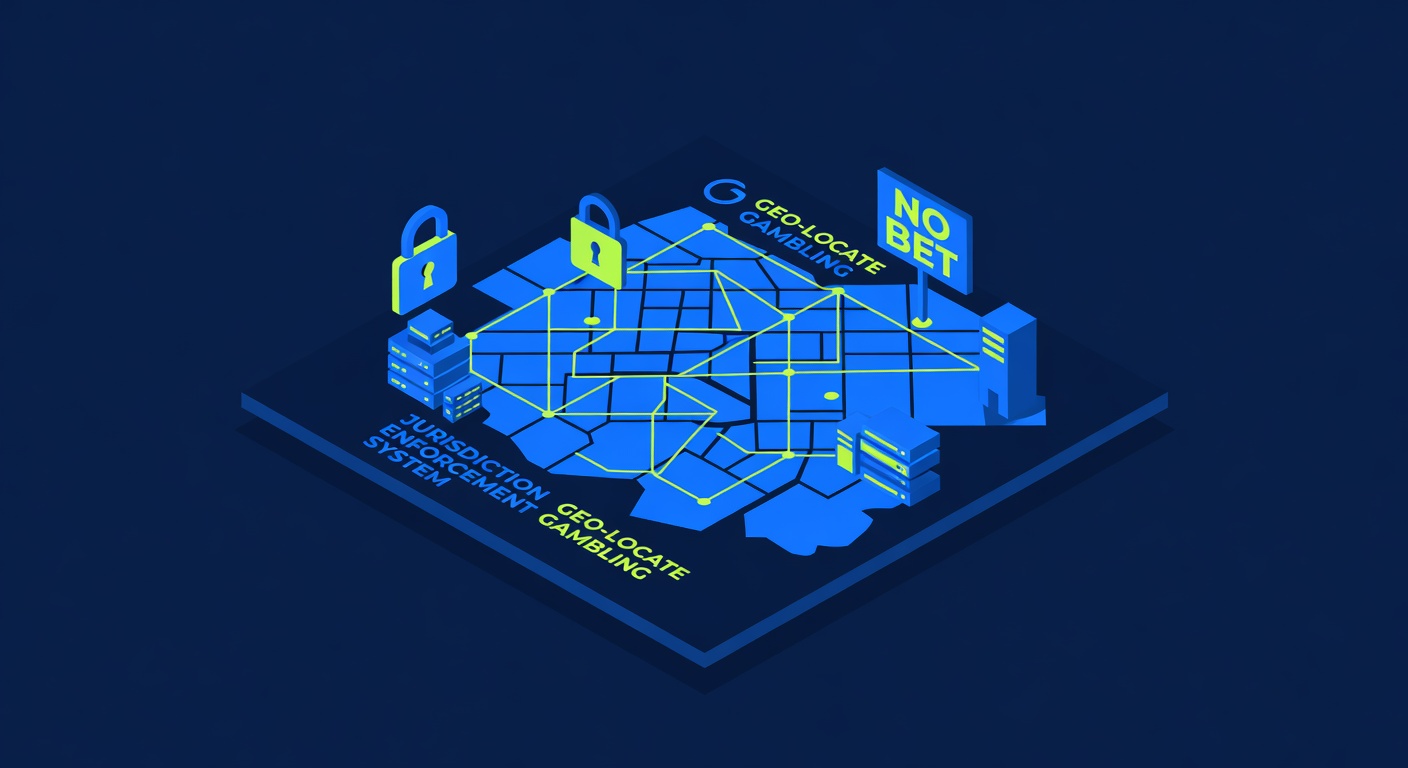
Your IP address tells a casino where you are. Casinos use this to enforce jurisdictional rules. It is one of the tools in the compliance toolbox, and like all compliance tools, it is imperfect and weaker than it looks.
Jump to a section
Claim: Geolocation technology is foolproof and prevents people from gambling where it is illegal.
Reality: IP geolocation works most of the time, but has gaps that players and bad actors exploit regularly.
How IP Geolocation Actually Works
Every device on the internet has an IP address. The IP address is registered to a geographic location (country, state, sometimes city). When you connect to an online casino, the casino checks your IP against a database. The database says: this IP is in Nevada. Or this IP is in Germany. Or this IP is in a jurisdiction where online gambling is allowed or forbidden.
The casino then makes a decision: allow access or block it.
This sounds clean. It is not. Here is why.
The Gaps in Geolocation
IP geolocation databases are maintained by companies like MaxMind, GeoIP2, and Neustar. These databases are updated constantly but they are never 100% current. A new IP block gets assigned today. The geolocation database updates tomorrow. In between, the casino has incorrect information.
VPN (Virtual Private Network) services exist precisely to obscure location. You are in Germany. You connect through a VPN server in the UK. Your IP registers as being in the UK. The casino sees UK and allows the connection. This happens millions of times per day.
Proxies, Tor, and other privacy tools work the same way. The casino checks your IP. The IP is fake or rerouted. The location check passes when it should not.
This is why responsible-gambling pages list geolocation as one tool among many, not as a primary control.
What This Means for Jurisdictional Enforcement
The UKGC (UK Gambling Commission) requires geolocation as one element of responsible gambling. It is not sufficient on its own. The UKGC expects operators to use geolocation alongside other identity verification methods: KYC (Know Your Customer), device fingerprinting, and behavioral analytics.
A casino that uses only IP geolocation is cutting corners. A casino that uses geolocation plus KYC plus device checks is doing the job properly.
This is why major licensed operators check your actual location multiple times during play. If you deposit in Nevada and suddenly request a withdrawal while your IP is in a prohibited jurisdiction, the system flags it. The flag triggers a manual review.
The Marketing Translation
When a casino says "Our geolocation technology ensures you can only play where it is legal," what they mean is: "We have deployed geolocation as one of several tools. Most of the time, it works. Sometimes, users will circumvent it, and we will catch them on the back end."
The implication is that the technology is foolproof. It is not. But the statement is technically true: geolocation is part of the system designed to prevent unlicensed gambling.
If a crypto casino says "We use geolocation to comply with local laws," interpret that as: "We have implemented one compliance measure. Whether we actually verify the geolocation data or actively monitor for VPN usage is not stated."
Why It Matters
Geolocation is not a privacy invasion; it is a public-health tool. Jurisdictions restrict online gambling access because they believe (with varying levels of evidence) that restricting access reduces harm. Whether that premise is true is debatable. But the mechanism is clear: geolocation prevents easy access to offshore casinos from prohibited jurisdictions.
It does not prevent all access. A sophisticated user with a VPN and fake identity information can probably get around it. But an accidental user who did not realize they were in a jurisdiction where online gambling is restricted will get blocked. This is by design.
The Real Story
IP geolocation is effective against casual circumvention and is worthless against deliberate evasion. Responsible operators treat it as a first-pass filter. The serious work happens downstream: KYC, device fingerprinting, transaction monitoring. These are harder to bypass than a VPN.
When a casino advertises geolocation, they are advertising compliance competence. It is a real tool. It is not magic. It is not a guarantee. It is just how responsible operators enforce jurisdictional rules in a borderless internet.
Subjects in this guide
Pass it on
Choosing where to play? The casino ratings score each site on 6 checks, in half stars.
See the ratings