
Chargebacks and Online Gambling: What You Should Know
A preacher examines the moral weight of chargebacks in gambling and why you should know what happens when you dispute a gambling charge.
Jump to a section
Listen. I am not here to judge your gambling. That is between you and your conscience. But if you have gambled and lost money you could not afford to lose, there is a temptation that I need to talk about.
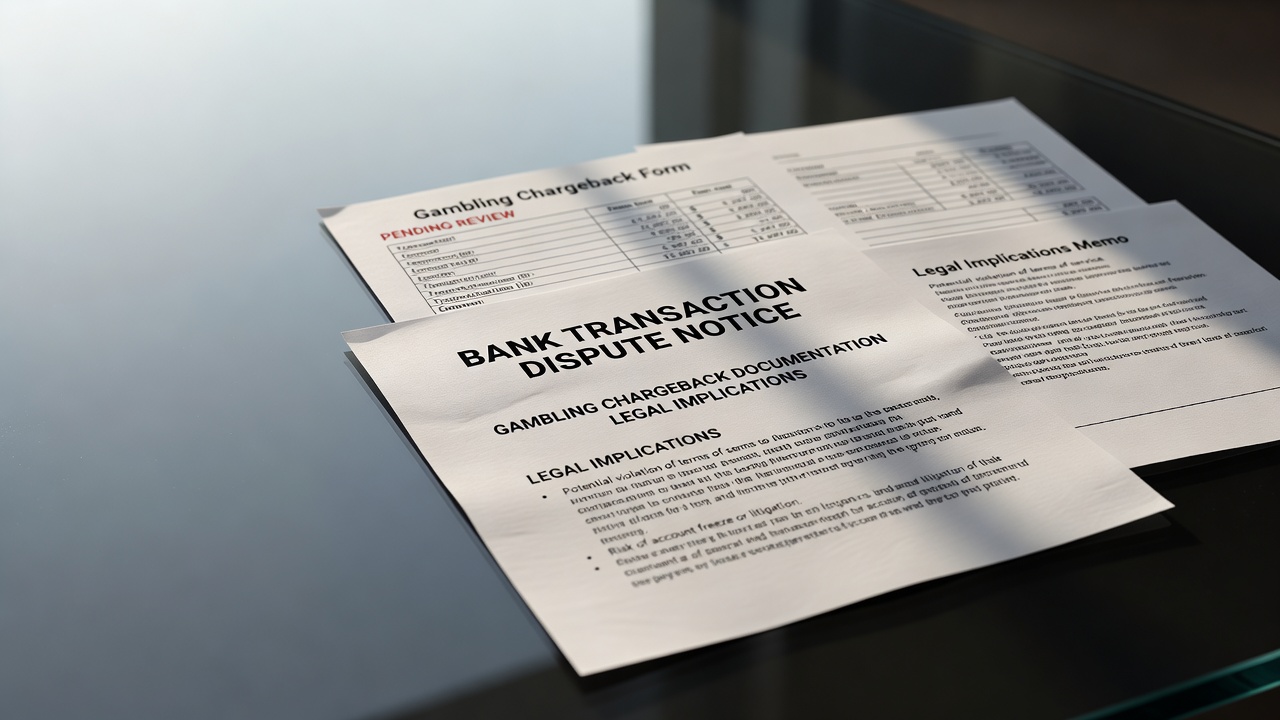
The temptation is the chargeback. Your credit card company will, under certain circumstances, reverse charges and return your money. For a gambling debt, a chargeback feels like grace.
It is not. It is a complication with consequences that extend far beyond the initial transaction.
What A Chargeback Is
When you dispute a credit card charge, you tell your bank: "I did not authorize this transaction or I received different goods than promised."
Your bank investigates. If they find in your favor, they reverse the charge. You get the money back. The casino loses it.
When Casinos See Chargebacks
A single chargeback is frustrating for a casino but manageable. Multiple chargebacks or patterns of chargebacks (same person, multiple casinos) triggers a response.
Casinos maintain databases of chargeback-prone players. They block future deposits. They report to payment processors and other casinos.
Over time, being known as a chargeback player makes it nearly impossible to gamble online. You will be blocked from most major platforms.
The Long-Term Cost
You win by chargeback: 5,000 dollars reversed.
You lose:
- Access to that casino (permanent account ban)
- Access to other casinos (chargeback history travels)
- Future credit card processing becomes harder (banks flag you for fraud assessment)
- Legal liability (in some jurisdictions, chargebacks on gambling debts are considered fraud)
The 5,000 dollars you regained costs you future access to gambling and potential legal complications.
The Spiritual Complication
I frame this in terms of my faith, but it applies to anyone with a conscience.
A chargeback is, essentially, stealing from the casino. You authorized the transaction, made your choice, lost, and then took your money back through deception.
The casino is not innocent (they profit from your loss). But two wrongs do not make a right.
If you are desperate enough to consider a chargeback, you are gambling money you cannot afford to lose. The problem is not the chargeback option. The problem is the gambling.
The Honest Path
If you have lost money to gambling that you need back, the path is not a chargeback. The path is:
- Accept the loss
- Rebuild your bankroll through other means (work, savings, time)
- Address the underlying gambling behavior that led to the loss
- Gamble differently next time (smaller stakes, shorter sessions, more discipline)
This path is harder than the chargeback path. But it does not destroy your future access to credit, payment systems, and legitimate gambling platforms.
The Practical Take
Chargebacks are available but costly. Do not use them as a gambling recovery strategy. If you must recover money lost to gambling, save and rebuild.
The casinos are not victims. But they are not your enemy either. They are a system with rules. If you cannot play by those rules with money you can afford to lose, do not play.
There is no graceful way out of a gambling loss except accepting it and moving forward.
Pass it on
Choosing where to play? The casino ratings score each site on 6 checks, in half stars.
See the ratings