
What Makes a Slot Go Viral: Mechanics, Themes, and Streamers
A quiet observer of internet gambling culture examines why certain slot games explode in popularity while others disappear.
Jump to a section
Some slots get famous. Most do not. The difference has almost nothing to do with being good and everything to do with being visible.
Book of Ra became the slot everyone has heard of, not because it is mechanically superior but because it was available in enough places that enough people played it that it became culturally familiar.
Mechanic of Plums would be identical under any other name. The name stuck. The game stuck.
The Mechanic Layer
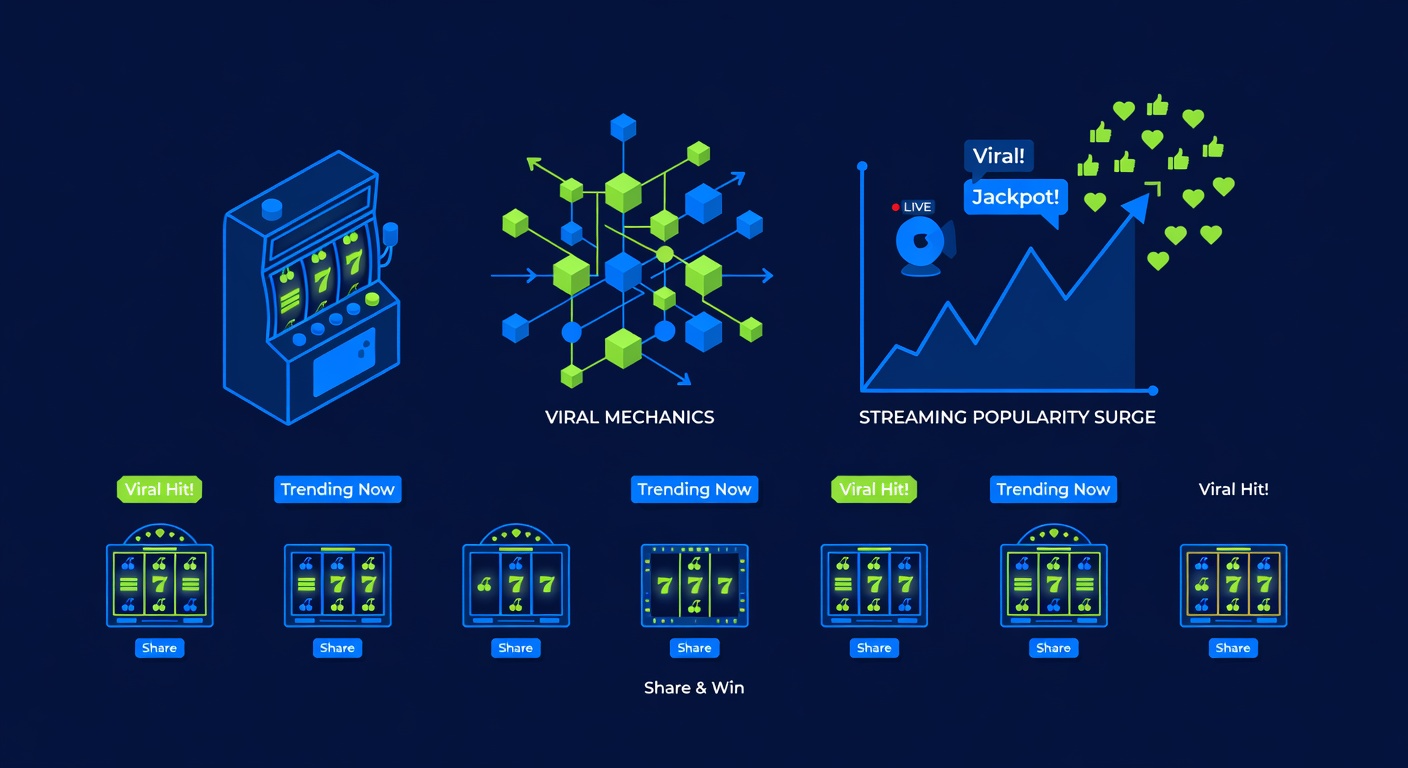
Slot popularity starts with mechanical features that are conducive to streaming. A feature that triggers frequently, with high variance pay-out, is entertaining to watch.
Reel Spinners with a "buy the feature" mechanic became popular because streamers could trigger features on demand. The feature was visually interesting. The payout could be explosive.
A standard 3-reel slot has no feature. It is boring to stream. Players pull the lever. Slots spin. Sometimes they win. The tension arc is flat.
Buy-feature slots create tension (will the feature trigger?) and relief (feature did trigger, what will it pay?).
The Theme Layer
Theme matters for discoverability. If a streamer plays a slot called "Book of Ra," the title is instantly recognizable. A slot called "Slot 3847" has no discoverability.
So studios invest in themes that are culturally resonant (ancient Egypt, mythology, television shows) and studios rely on having recognizable characters or concepts that already have an audience.
A Pragmatic Play slot based on a popular streaming game (like Crash or a well-known TV show) has built-in visibility through the audience of the source material.
The Streamer Layer
The critical layer is streamers. A streamer with 100,000 viewers plays a new Pragmatic slot. 10,000 viewers have never heard of it. Curiosity drives them to try it.
One large streamer hitting a big multiplier creates a cascade. The clip circulates. Other streamers pick up the game.
Within weeks, the slot has shifted from obscure to known.
The studio is aware of this. They design games with features that are entertaining to stream. They seed games with popular streamers, giving them perks or bonuses for coverage.
The Feedback Loop
Once a game is "hot," it attracts more players (who want to try the game they saw a streamer win big on) and more streamers (who know it will get views).
Most viral slots do not deserve the virality. They are mechanically identical to non-viral slots. The difference is visibility.
The Honest Assessment
What makes a slot go viral: a combination of engaging mechanics (for streaming), recognizable theme (for discoverability), and high-profile streamers (for visibility).
None of these make the slot better for players. Better odds do not depend on virality. House edge does not care about streamers.
What virality does is accelerate adoption. More players means more money flowing into the game. For the studio, this is purely positive. For players, virality is irrelevant except that popular games tend to have tighter odds (more players means more volume, so studios can tighten margins).
So the viral slots are actually often worse for players than the obscure ones. But they are more fun to watch, which is what matters for the modern audience.
Subjects in this guide
Pass it on
Choosing where to play? The casino ratings score each site on 6 checks, in half stars.
See the ratings