
How Poker Rakeback and Loyalty Programs Work
Examining how poker rakeback and loyalty programs work reveals important insights about how this aspect of the gambling world actually functions.
Jump to a section
Poker rakeback and loyalty programs are mechanisms casinos use to return a portion of rake to players while creating habits and lifetime value. Understanding how they work reveals their true cost structure.
Rake is the percentage of each pot that the house takes as compensation for providing the game space, dealers, and infrastructure. In live poker, rake is typically 5 percent of the pot up to a maximum (usually 3 to 5 dollars). Online poker rake is often 4 to 5 percent with smaller maximums.
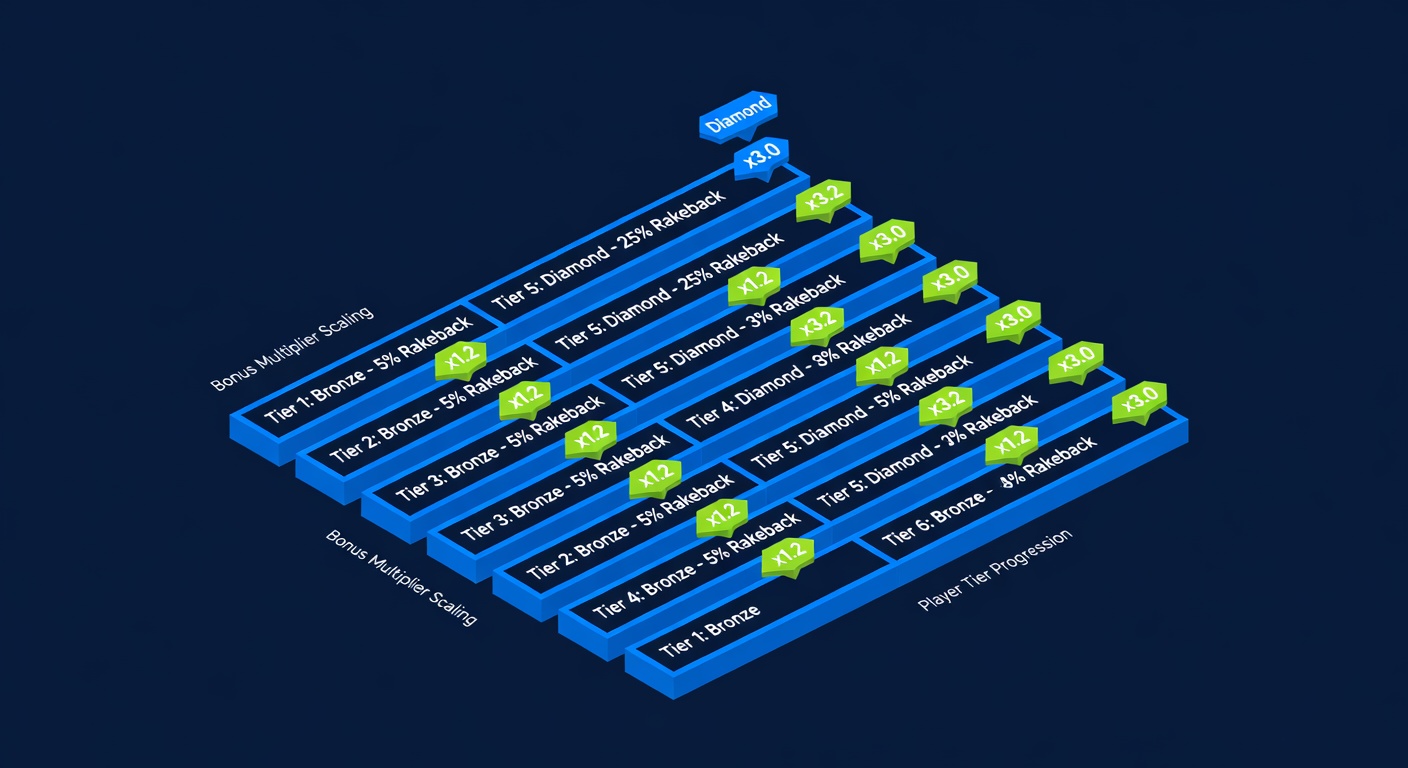
A rakeback program returns a percentage of this rake to the player. If a site has 30 percent rakeback, a player generating 1,000 dollars in rake gets 300 dollars back. The economics seem simple: the house keeps 70 percent of rake, the player gets 30 percent.
But rakeback creates a psychological effect. A player earning rakeback feels that they are getting a partial discount on the rake, which they actually are. But the rakeback amount is structured to feel like a reward rather than a partial refund of an unnecessary cost.
Loyalty Program Mechanics
Loyalty programs layer additional rewards on top of rakeback. Points accumulate based on rake generated. Points convert to cash bonuses, tournament entries, or merchandise. A player generating high rake might accumulate thousands of points monthly, creating a steady stream of small rewards.
The psychological effect is subtle. Each reward is small enough to feel like free money but consistent enough to create habit. A player who gets a thirty-dollar monthly loyalty bonus feels that bonus more keenly than a player who negotiates a permanent 30-dollar-per-month rake reduction.
The different is framing. A reduction feels like losing the discount if the program ends. A bonus feels like a gift that stops being given. Players are more likely to chase bonuses than to pursue permanent rate reductions.
Comparison Between Operators
Different sites offer different rakeback percentages. A site offering 25 percent rakeback versus 35 percent rakeback creates apparent differentiation. But the raw rake rate might differ between sites as well. A site with 40 percent rakeback at 7 percent rake is equivalent to a site with 30 percent rakeback at 5 percent rake.
Comparing true value requires calculating the effective rake after rakeback. A player generating 10,000 dollars in rake pays:
- 10,000 * 5 percent rake * (1 minus 25 percent rakeback) = 375 dollars effective rake cost
- 10,000 * 5 percent rake * (1 minus 35 percent rakeback) = 325 dollars effective rake cost
The difference is 50 dollars on 10,000 dollars of rake, or 0.5 percentage points of effective rake. On an annual basis, this compounds significantly.
The Lifetime Value Angle
Rakeback and loyalty programs create switching costs. A player integrated into a loyalty program with millions of accumulated points feels locked in. Leaving means abandoning those points. Even if another site has slightly better rakeback, the cost of abandoning accumulated loyalty is real in the player's mind.
Sites use this deliberately. New players get aggressive loyalty sign-up bonuses to integrate them into the program. As points accumulate, the player becomes less likely to leave. The loyalty program has converted a one-time customer into a locked-in recurring player.
True Cost Analysis
The true cost of rakeback to the site is not the rakeback percentage multiplied by rake. It is the cost of providing slightly lower rake to retain players. A player paying 3.25 percent effective rake instead of 5 percent rake is paying 35 percent less in actual dollars to the house. But the player is also likely to stay longer, refer more friends, and generate more total rake over their lifetime.
The loyalty program is not charity. It is a retention mechanism that changes the long-term profit equation.
Pass it on
Choosing where to play? The casino ratings score each site on 6 checks, in half stars.
See the ratings