
Network Jackpots vs In-House Jackpots: Which Pay More Often?
A writer in recovery examines the difference between network and in-house progressive jackpots, and why the choice between them matters more than most people realize.
Jump to a section
I spent a lot of time studying jackpot mechanics before I quit. Not because I wanted to beat them. Because understanding the game in detail, down to the mechanics you do not see, felt like control. It was not.
But the distinction between network and in-house jackpots is real, and it matters for reasons that have nothing to do with mathematics and everything to do with human psychology.
The Structure
An in-house jackpot is funded by a single casino. Every dollar wagered on that machine in that casino contributes to that jackpot. When someone hits it, it pays out and resets to a seed value. The casino controls the entire pool.
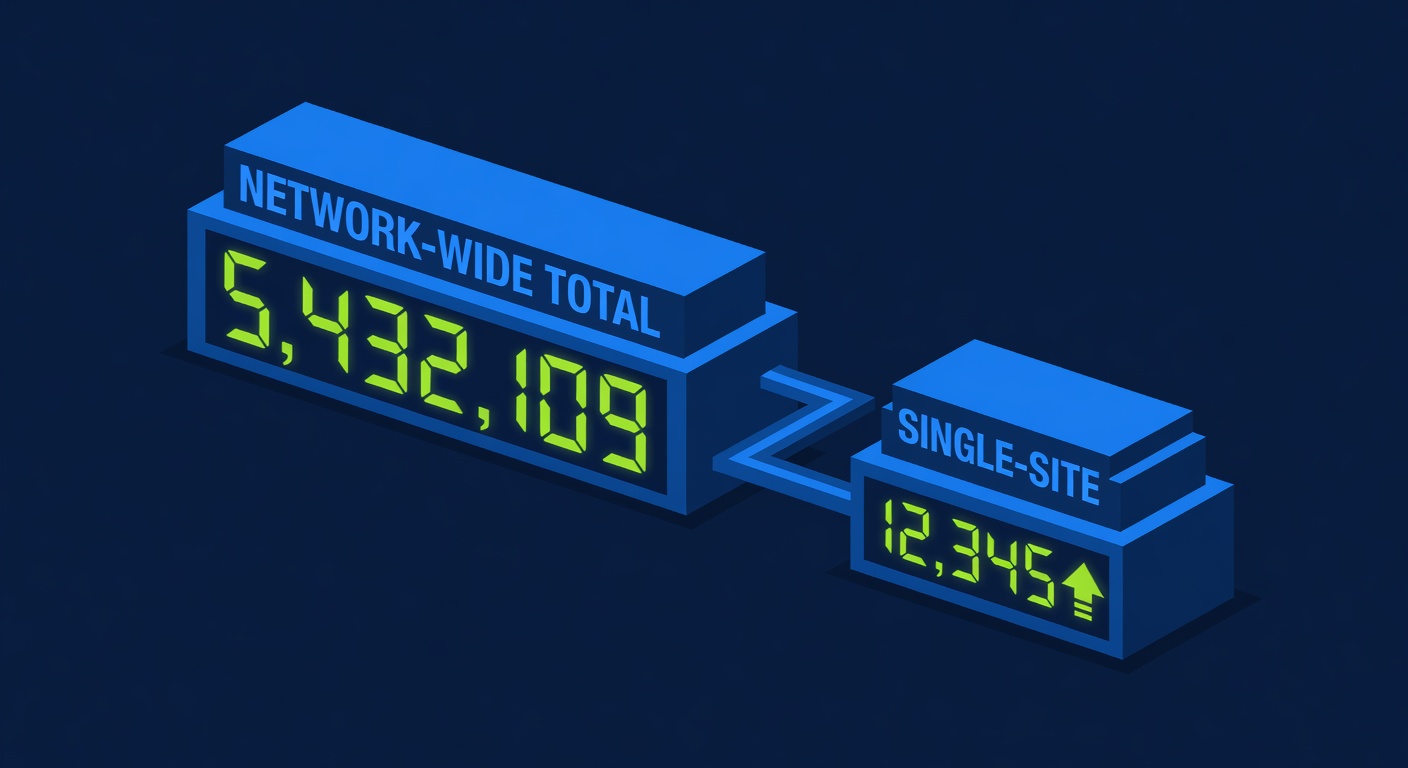
A network jackpot pools money across multiple casinos, sometimes hundreds. Stake runs a network across thirty different online casinos. DraftKings connects to larger networks. The more casinos in the pool, the larger the jackpot grows.
Mathematically, network jackpots reach higher amounts before hitting. Statistically, they also hit with similar frequency to in-house jackpots, all other factors equal. The probability of a specific machine being the lucky one is lower, but the total prize is higher.
The Practical Difference
I knew, intellectually, that network jackpots were not more generous. The expected value is equivalent (or worse, since network infrastructure sometimes includes slightly tighter base game payouts). But seeing a six-figure progressive on the screen did something to my brain that a lower number could not.
The five-hundred-thousand-dollar jackpot is not more likely to hit than the hundred-thousand-dollar jackpot. But it is more attention-grabbing. It generates more hope. It justifies more action.
That is the design. Network jackpots make the game more psychologically engaging while maintaining or improving the house edge.
The Hit Frequency Question
When I was active, I would research hit frequency obsessively. I thought I could find patterns. Jackpots that hit frequently might have looser base games. Jackpots that had not hit recently were "due."
This is pure gambler's fallacy, but it felt like analysis.
Network jackpots, statistically, do hit with roughly the expected frequency. A Stake network jackpot with a 1 in 50,000 hit rate will, over time, hit approximately once per 50,000 spins across all connected casinos. But you might be spinning that machine for months without seeing anything.
In-house jackpots in smaller casinos hit less frequently simply because fewer total spins are feeding the pool. A regional casino with one thousand daily spins might hit their jackpot once per month. An online mega-casino with a million daily spins hits their equivalent jackpot multiple times per month.
Larger pools hit more frequently in absolute terms. But relative to your individual play, they might hit less frequently because the probability is distributed across more machines and more players.
The Emotional Reality
I could win fifty thousand dollars on an in-house jackpot and feel like I got lucky. I could win the same amount on a network jackpot and feel like I beat a larger system. The money is identical. The emotional experience is different.
Most of my losses came chasing network jackpots. The larger number provided psychological justification for larger wagers, longer sessions, more money risked. If I was going to gamble, the reasoning went, I should gamble toward a significant prize.
This is exactly what the network-jackpot design accomplishes.
What I Wish I Had Known
The choice between network and in-house is not about which pays better. They pay equivalently, accounting for house edge and payout structure. The choice is about which psychological structure your brain can resist.
For me, the answer was neither. But if I had to choose, I would choose in-house jackpots on slower machines in smaller venues. Lower absolute numbers. Fewer play opportunities. Less elaborate branding. The jackpot is a side feature, not the primary draw.
Network jackpots are designed to make the jackpot the primary draw. That is the product. The base game is just vehicle for reaching toward that larger prize.
The Honest Take
Years into recovery, I understand something I could not understand while active: the jackpot is not the problem. The problem is the feeling that a large external outcome will fix internal problems. Both network and in-house jackpots promise that. Network jackpots promise it louder.
Most people can engage with either without it becoming damaging. But for people like me, the size of the promise matters. A five-hundred-thousand-dollar possibility is more seductive than a hundred-thousand-dollar one, even if the probability and expected value are equivalent.
Choosing the in-house jackpot would not have saved me. But it would have made the descent a little slower.
Pass it on
Choosing where to play? The casino ratings score each site on 6 checks, in half stars.
See the ratings