
How NetEnt Changed Video Slots: The Story of a Design Revolution
Jump to a section
I played NetEnt's Starburst for the first time in 2012 at a casino bar in Stockholm, and I didn't know it then but I was watching the moment the industry pivoted. The game had something the older machines didn't. It moved. Everything scrolled and expanded and lit up. The baseline felt like you were actually winning even on the small payouts.
That was by design. That's the whole story, really.
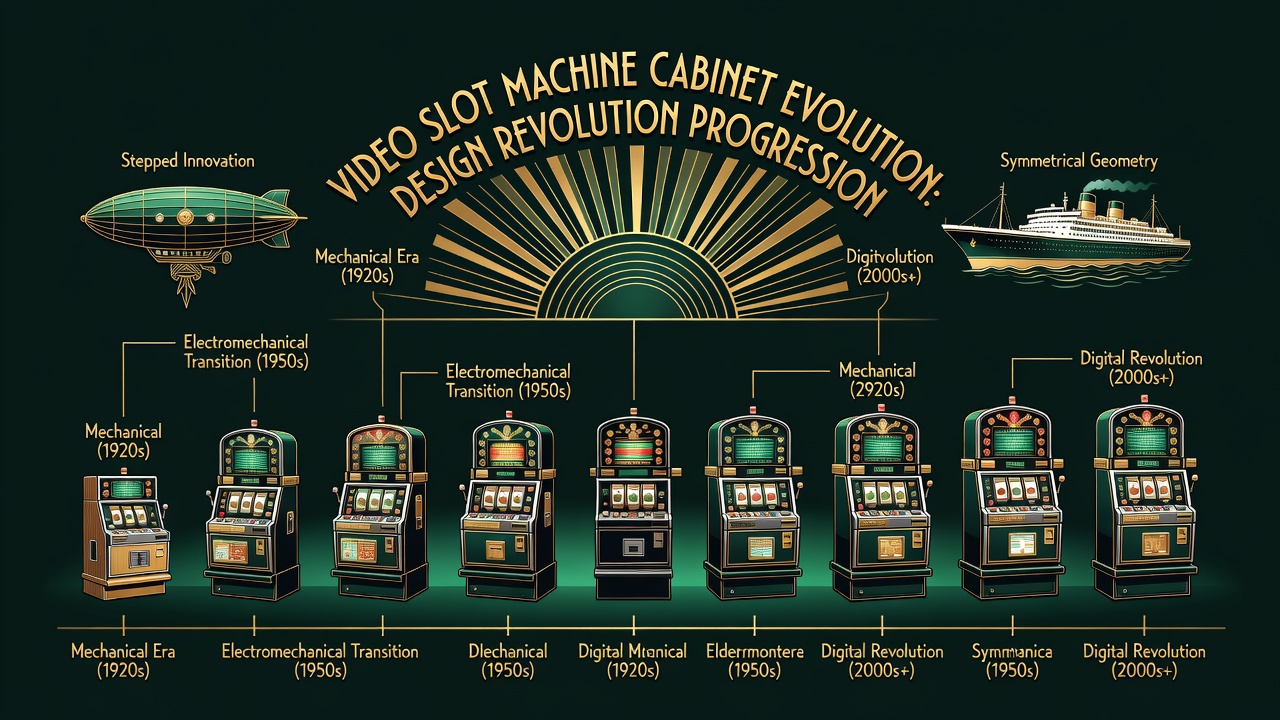
Before NetEnt became what they became, slot machines were still basically mechanical. Sure, they were electronic by the 2000s, but the design language was borrowed from older cabinets. Spinning reels, simple colors, modest animations. Solid games. Not exciting. The player experience was: you push a button, symbols spin, you win or lose. Done.
NetEnt's insight was simple: what if the entire screen is the game? What if every pixel can be engaged, animated, rewarded? The Stockholm company started building slots that felt alive. Starburst was the proof of concept. Gonzo's Quest came next and basically redefined what a video slot could be.
The Design Shift
Gonzo's Quest released in 2010. The game features an animated character (Gonzo the conquistador) on screen. As you play, the reels collapse when you win. New symbols fall from above. Your win multiplies. There's actual narrative to the gameplay. You're not just spinning reels; you're on an adventure with a character. The game tells a story across the session.
Before Gonzo's Quest, slots were passive. You made money. The screen displayed it. That was the feedback loop. Gonzo's Quest added layers: character arc, visual spectacle, the sense that you were progressing through something.
This was revolutionary because it hijacked the brain's reward system more effectively than older machines did. The visuals got more complex. The animations rewarded small wins with the same visual fanfare as big wins (a psychological trick that made 2x wins feel momentous). The avalanche mechanic (collapsing reels) meant that one spin could trigger multiple wins in sequence, creating an extended payout period that felt like extended success.
I understand now, years into recovery, why that matters. The machine isn't just paying you money. It's performing. It's congratulating you. The avalanche isn't a game mechanic; it's a dopamine delivery system.
The Production Value Arms Race
Once NetEnt proved that production value drove engagement, the industry followed. Every major software company,Microgaming, Pragmatic Play, Scientific Games (now Light & Wonder),started investing in animation, sound design, licensed IP. Suddenly slots had movie tie-ins. Branded themes from popular culture. Celebrity poker players recommending games.
NetEnt's early library was pure innovation. They took risks. They licensed properties that didn't necessarily fit slots: music artists, movie franchises. They invested in mechanics that other companies thought were too complex for a slot audience.
The thing is, it worked. Engagement metrics went up. Session length went up. Players returned more frequently. And because the house edge stayed mathematically identical (the RTP remained around 96% across all these games), the casinos didn't care about the flashiness. They only cared that more people played more often.
What Actually Changed
From a technical standpoint, NetEnt had two advantages in the 2010s. First, they could hire talent from other industries. Movie animators. Game designers from the AAA industry. People who understood how to make interfaces feel alive. That's not a gaming-specific skill; it's a general design skill they had to import.
Second, they had Stockholm location and Swedish business culture. Sweden has a strong gaming regulation environment and a history of public gaming operators. NetEnt could build for a regulated market from the start, which meant they focused on legitimate features rather than exploitative dark patterns (or at least, exploitative dark patterns dressed in legitimate features).
The mathematics didn't change. The house edge was the same. But the delivery mechanism changed everything. You're still losing the same percentage, but you're losing it more pleasantly. The machine is congratulating you as it extracts money.
The Psychological Architecture
I played NetEnt's Divine Fortune for three hours straight in 2015 and spent about 3,000 dollars. I made back maybe 1,800 of it. The mathematical loss was about 1,200,exactly 40% house edge on my play, perfectly normal. But the feeling of that loss was distributed. The game had moments where I won. Moments where an animation played and I felt like I was progressing.
Older machines were honest about loss. You played, you lost, you left. NetEnt machines are dishonest in a more sophisticated way. You play, you win occasionally, you lose overall, but the winning moments are amplified. The losing moments are masked by animations and design flourishes.
That's not new. Casinos have always done this. But NetEnt scaled it. They made it beautiful. They made it cinematic. They made losing feel like something other than losing.
Where This Lands
NetEnt basically invented the modern slot machine as aesthetic object rather than mechanical object. The company has since been acquired by Red Tiger (which acquired them), which was acquired by Scientific Games. But their design language persists across the industry.
Every game with animated characters, every cascading reel system, every "you almost won" animation,that's NetEnt's legacy. They proved that you could make slots more engaging without changing the math. Just change the presentation.
I can't say they're bad people. I can't say the games are evil. They're products. Well-designed products. But they're designed with precise understanding of how the human brain responds to animation and reward schedules. They know what makes people stay longer and play more.
I stayed longer. I played more. And I'm still paying for it years later.
What NetEnt did was take the fundamental mathematics of slots and wrap them in such compelling design that the mathematics became almost invisible. You see the animation, the win, the progression. You don't see the -40% mathematical expectation working in the background. That's the design achievement. That's also the problem.
Subjects in this guide
Pass it on
Choosing where to play? The casino ratings score each site on 6 checks, in half stars.
See the ratings