
Malta Gaming Authority: What Its License Generally Covers
Jump to a section
The Malta Gaming Authority (MGA) issued its first online casino license in 2004. This was significant not because Malta is a major power, but because at the time, almost nowhere in Europe had a coherent regulatory framework for online gambling. Malta built one.
Now the MGA oversees roughly 400 online gaming operators. Casinos, poker sites, sportsbooks, and operators of live dealer games. The license is recognized by players across Europe and beyond as a minimum standard. Not a guarantee of safety, but a marker that someone checked boxes.
What does an MGA license actually cover?
The License Structure
The MGA issues different classes of license depending on what you operate. A Class 1 is for online betting. A Class 2 is for other forms of online gambling (casino, poker, live games). A Class 3 is for land-based casinos. Holders must meet financial requirements. A site operating in Class 2 must maintain a certain capital reserve (the precise amount varies by asset size, but typically around $100,000 minimum). They must have a licensed service provider managing technical operations.
The license itself is issued for a fixed term, usually 5 years. It can be renewed. The site must renew or the license lapses, which is why some older casinos disappeared from European markets around 2010-2015 as the MGA updated rules.
What It Actually Guarantees
The MGA license covers three areas: financial handling, fair play, and responsible gambling.
Financial handling means the operator must keep player funds segregated from operating funds. If the casino goes bankrupt, your money in the player account is not seized to pay the casino's debts to suppliers. This is a real protection. Several European casinos failed in the 2000s (some due to poor regulation, some due to fraud), and players with segregated funds were protected. Players without segregation lost everything.
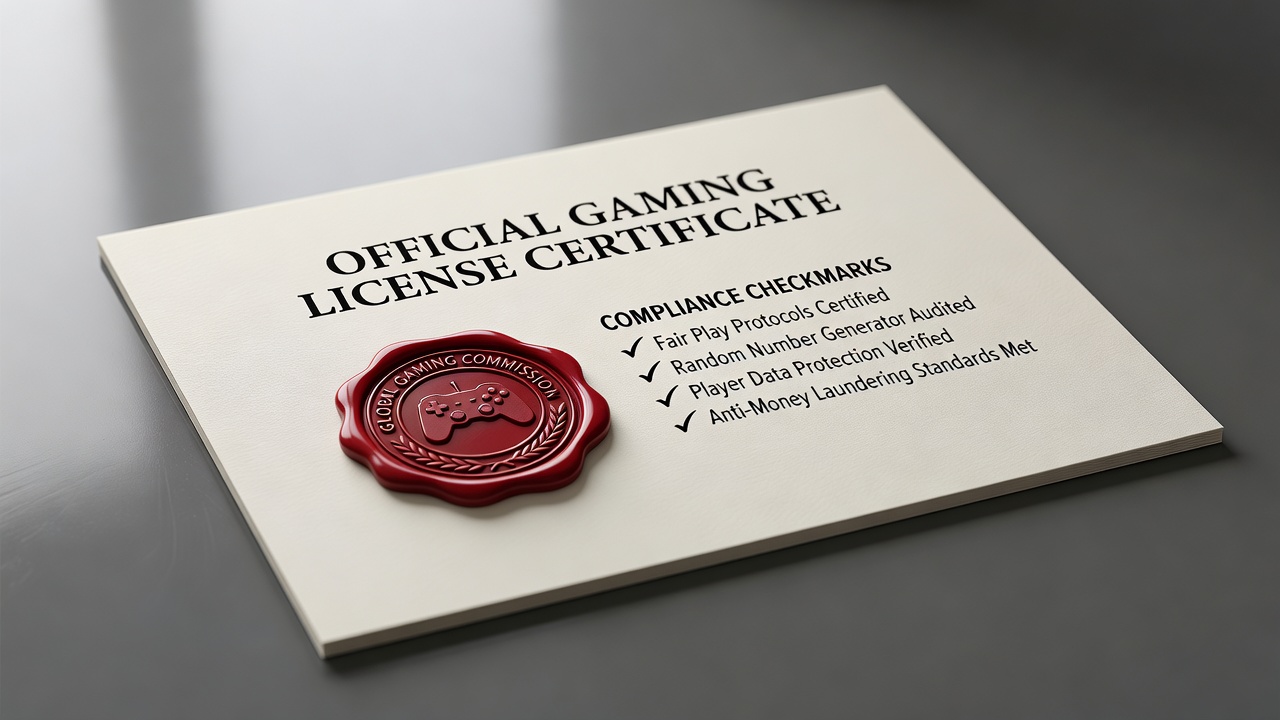
Fair play means the casino's software is audited by a third-party testing facility. The RTP percentages must be published and accurate. The random number generator (RNG) must be certified. The payout of winnings must be guaranteed within a certain timeframe (usually 72 hours). This is substantial. You cannot run a site licensed by the MGA and rig the games in your favor. You can rig them in subtle ways (adjust RTP within published ranges, weight bet sizes differently), but outright cheating is technically impossible under MGA license.
Responsible gambling means the site must offer self-exclusion tools, deposit limits, time limits, and access to problem gambling resources. The MGA publishes a code of conduct. Most licensees exceed the minimum, partly because operators competing for players have incentive to advertise better responsible gambling features.
What It Does NOT Cover
The MGA license does not cover marketing practices. A site can be licensed by the MGA and still run aggressive promotional campaigns targeting vulnerable players. This is the gap between what the license covers and what players often think it covers.
The license also does not cover customer service quality or dispute resolution. The MGA will not handle a complaint that the casino treated you badly if it treated you legally. If the casino seized your funds illegally, that's different. If the casino paid you correctly but slowly, the MGA might not intervene. This depends on the specific case. The MGA does operate a complaints mechanism and can levy fines, but it is not a player protection service.
The license does not cover whether the casino operates in your jurisdiction legally. Some countries ban online casinos outright. If you're in a banned jurisdiction and play on an MGA-licensed site, you're violating your country's law. The MGA doesn't enforce territorial restrictions. That's on your government.
The Enforcement Record
The MGA has levied fines against licensed operators. In 2018, it fined an operator for using a rigged RNG (claiming to be fair when the generator was seeded to favor the house in certain conditions). In 2021, it fined Playtech subsidiary for failing to prevent problem gambling. In 2022, it fined several sportsbooks for marketing violations targeting minors. These fines range from $50,000 to $500,000. For context, a medium-sized online casino makes several million dollars a year.
The fine structure incentivizes compliance, but it is not punitive enough to deter fraud entirely. An operator might calculate that a 1% chance of a $500,000 fine is cheaper than the revenue lost from implementing expensive responsible gambling controls. The MGA is aware of this.
What It Means for Players
An MGA license means the site has been audited, the games are mathematically fair, and your account funds are protected from the casino's bankruptcy. It means if you win, you will be paid (within 72 hours usually). It does not mean you should trust the site beyond this. It does not mean the marketing is ethical. It does not mean the site is operating in your country legally. It does not mean the customer service is good.
The MGA license is necessary but not sufficient for safety. Many reputable casinos hold it. Some disreputable operators also hold it because the MGA issues licenses with minimal investigation into the operator's history or intentions, only the financial and technical requirements.
When evaluating a casino, the MGA license is one check mark. Not the only check mark. Check the license status on the MGA website (you can verify any operator), review the responsible gambling tools available, and check independent reviews of customer service and payout reliability. The license gets you part of the way. Diligence gets you the rest.
Subjects in this guide
Pass it on
Choosing where to play? The casino ratings score each site on 6 checks, in half stars.
See the ratings