
How to Verify That a Casino Is Properly Licensed
Jump to a section
My friend Dorothy played bingo at St. Mary's every Wednesday afternoon for forty years. Same table, same folding chair, same ladies. One Wednesday the fire department shut it down. Turns out the church had let the insurance lapse six months earlier. Dorothy was heartbroken, not because she lost money; she never wagered anything she couldn't afford. She was upset because the place she trusted had cut corners.
Casinos are the same. A license means someone checked. It doesn't mean nothing bad will happen, but it means someone is watching.
What a License Actually Means
A proper casino license comes from a regulatory body. In the United States, that's usually a state gaming commission. In Europe, maybe Malta (MGA), the UK (UKGC), or Curaçao. The license is a contract. The casino agrees to basic standards: fair games, honest payout ratios, money-laundering controls, tools to help people who are in trouble.
The regulator checks. They audit the games. They look at the financial books. They make sure the casino isn't using the house to launder money from worse things. It's work. It costs money. But it means the casino has something to lose if they cheat.
How to Check
First, find the regulator. If it's a US-based site, look for the state. New Jersey? Check the NJDGE website. Nevada? Nevada Gaming Control Board. Don't assume from the website name. A site called "PlayUSA" might be registered in Curaçao. Look at the fine print, the real fine print, not the summary.
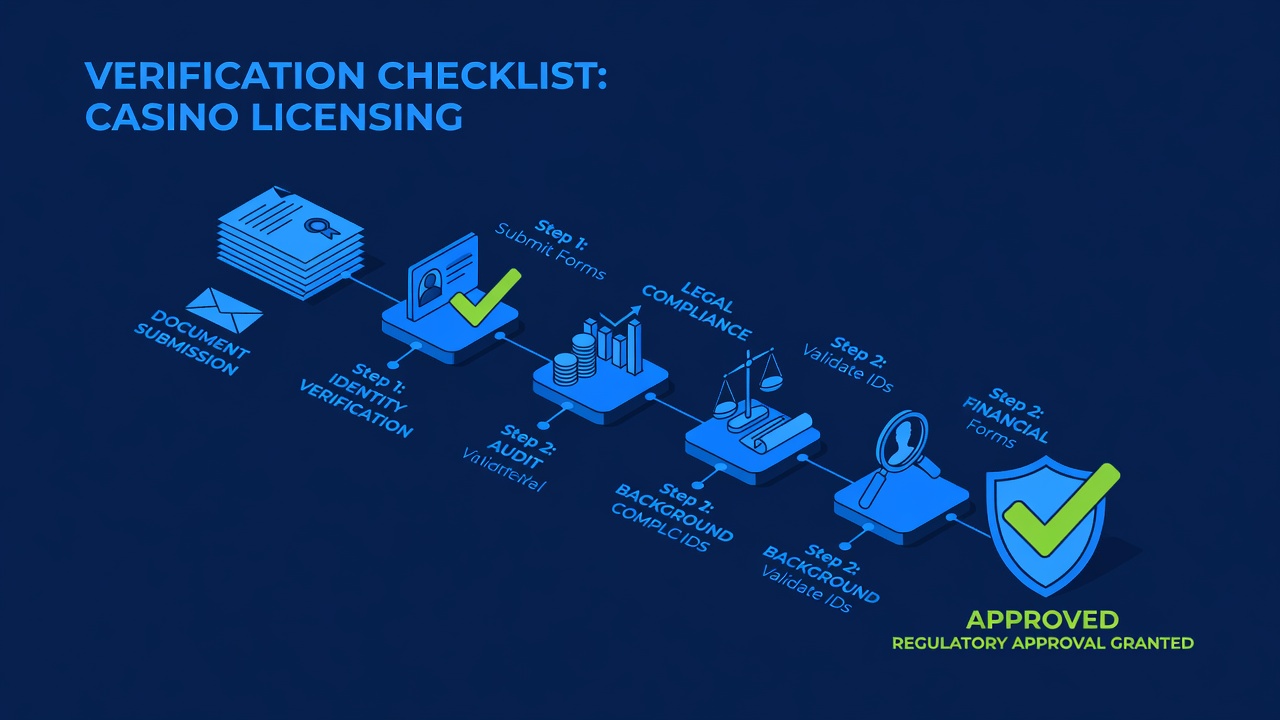
Once you know the regulator, go to their official site (not the casino's site) and search the license database. You'll find:
- The license number
- When it was issued and when it expires
- Any violations or complaints
- The casino's actual legal name
If the license doesn't exist when you search the official database, the casino is lying. Full stop. I know that sounds harsh, but it's the truth, and you're smart enough to handle it.
Red Flags That Matter
A casino that claims a license but has none. A casino that's been licensed but the license is now expired and they haven't renewed. A casino that won't tell you the regulator's name. A casino with a recent license from an unknown jurisdiction (looking at you, Curacao operators from 2019 who never upgraded). A casino that had a license revoked for violations.
These aren't small things. This is the difference between a place that has agreed to follow rules and a place operating in the shadows.
What Dorothy Learned
After St. Mary's closed, Dorothy looked around. She found another bingo hall two towns over. A Methodist church, same setup, same ladies (well, some of them). Before she started, she called. Asked about insurance. Asked about the license. Asked if they'd been running for five years or fifty. The woman on the phone answered everything. Dorothy felt the difference. It was the difference between trust and hope.
A licensed casino isn't perfect. People can still lose money they shouldn't have spent. But a licensed casino has agreed that if something goes wrong, there's a place to complain. There's a regulator who will listen. That matters more than you'd think until you need it.
Subjects in this guide
Pass it on
Choosing where to play? The casino ratings score each site on 6 checks, in half stars.
See the ratings