
How Crypto Gambling Works: A Beginner's Guide
A Sunday magazine writer spends a weekend learning crypto gambling, speaking to developers and players about what makes the technology different.
Jump to a section
I arrived at the crypto casino office on a Friday afternoon with no knowledge of blockchain, no interest in technology, and a single question: what is this actually?
Walter, who develops protocols for a Solana-based gambling platform, opened by telling me that crypto gambling solves one problem traditional casinos cannot: transparency you can verify yourself.
The Verification Question
At a traditional online casino, you trust that the random number generator is working. You read terms and conditions. You believe that the software is fair because a regulator in Malta or Curacao says it is. You are trusting a third party to tell you the truth.
Crypto gambling uses the blockchain, a public ledger that everyone can see. When a bet is placed, it is recorded on this ledger. When the game result is determined, that result is also recorded. Anyone can check it. Anyone can verify that the math was done correctly.
"You do not need to trust us," Walter said. "You can look."
How It Works
A simplified crypto gambling session:
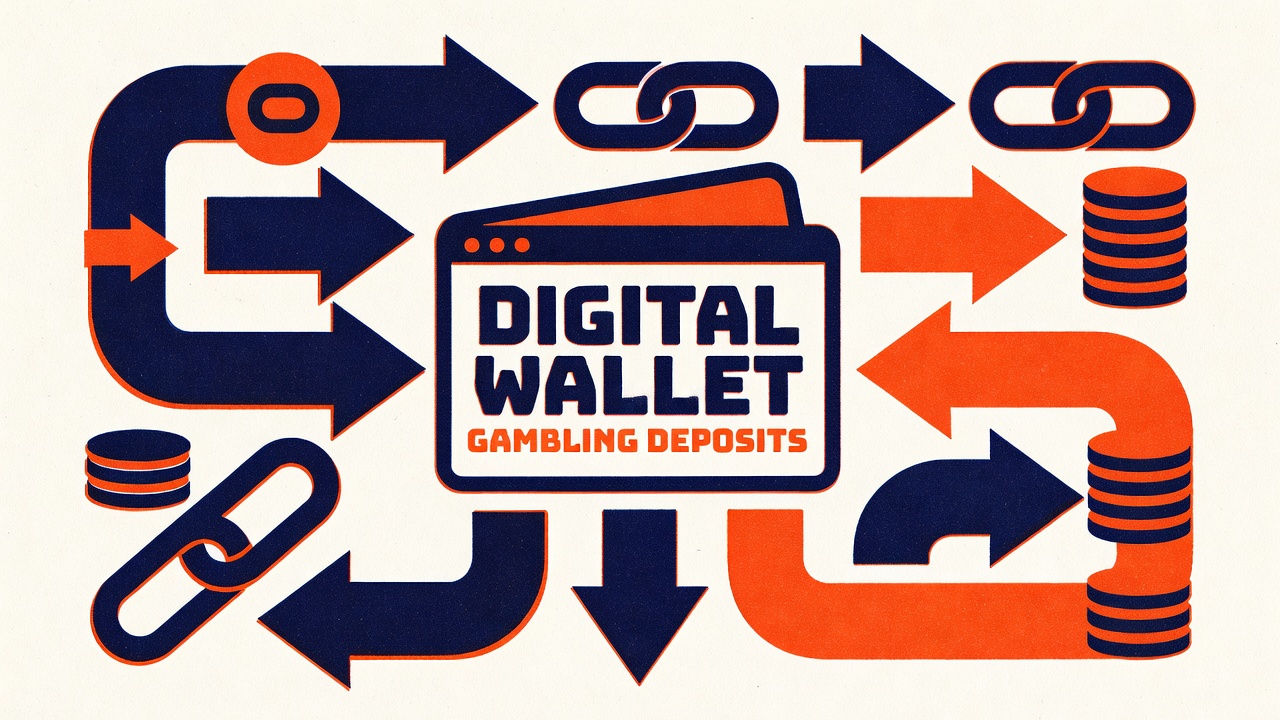
You connect your wallet (your crypto account) to the gambling site. You deposit coins (Bitcoin, Ethereum, or a platform-specific token). You place a bet by selecting an option and sending the transaction.
The blockchain records this. The site's smart contract (a program that executes automatically on specific conditions) receives your money. A random number is generated using a predetermined process. The outcome is calculated and sent to the blockchain. Your wallet either receives your winnings or loses your stake.
All of this is public. Anyone can look at the blockchain and verify that the random number was generated fairly, that the calculation was done correctly, that you were paid correctly.
The Psychological Difference
I asked a player named Marcus why he preferred crypto gambling to traditional sites. He said, "I know I might lose. But I know I will not be cheated."
That distinction matters more than it seems. A traditional player loses money and wonders if the games were fair. A crypto player loses money and knows the games were fair (or can verify it themselves).
This does not make crypto gambling profitable. It makes the loss more psychologically acceptable.
The Practical Limitations
Crypto gambling has genuine limitations. Transaction speed is slow on Bitcoin (10 minutes between blocks). Gas fees (costs to execute transactions) can exceed the bet size on Ethereum, making small wagers expensive. Popular coins are volatile, so a winner might watch their winnings fluctuate 20 percent in value before they cash out.
The sports-betting and slots products are limited compared to traditional casinos. No live dealers yet. No integrated social features. You are gambling, not experiencing a casino.
Wallet security is the player's responsibility. Lose your private key, lose your money. No customer service can recover it. This attracts sophisticated users and repels casual players.
The Regulatory Question
Crypto gambling exists in a gray zone in most jurisdictions. It is not explicitly legal. It is not explicitly illegal. Operators mostly avoid major markets (US, UK) to avoid clarity that might result in prohibition.
If a government decides crypto gambling is unregulated gambling and therefore illegal, the blockchain transparency does not protect the operator. The game might be mathematically fair while still being legally prohibited.
What It Is Actually Good For
Crypto gambling shines for cross-border play. A player in Argentina gambling against a player in Thailand is not using an intermediary. The blockchain connects them directly. No foreign exchange. No payment processor declining the transaction. Direct settlement.
It is good for high-stakes players who want transparency. Large bets on traditional casinos require trust in the casino's random number generator. Large bets on crypto can be verified independently.
It is good for people in countries where traditional banking and gambling are restricted. If you cannot access a PayPal-based casino, you might access a crypto casino through crypto networks.
The Honest Take
Walter told me something that stuck: crypto gambling does not make gambling better. It makes it more honest. The game is still designed to pay out less than it takes in. You will still lose money if you play long enough.
But you will lose money knowing exactly how you lost it. You can audit the games yourself if you wish. No mystery. No accusations of cheating. Just math.
The sites still make money the same way traditional casinos do: by offering better odds in their favor. Transparency does not change that. It just removes one layer of doubt.
Subjects in this guide
Pass it on
Choosing where to play? The casino ratings score each site on 6 checks, in half stars.
See the ratings