
Licensing for Crypto Casinos: Curacao, Anjouan, and Beyond
A crypto casino says it is licensed by Curaçao. What does that actually mean. And what are the alternatives.
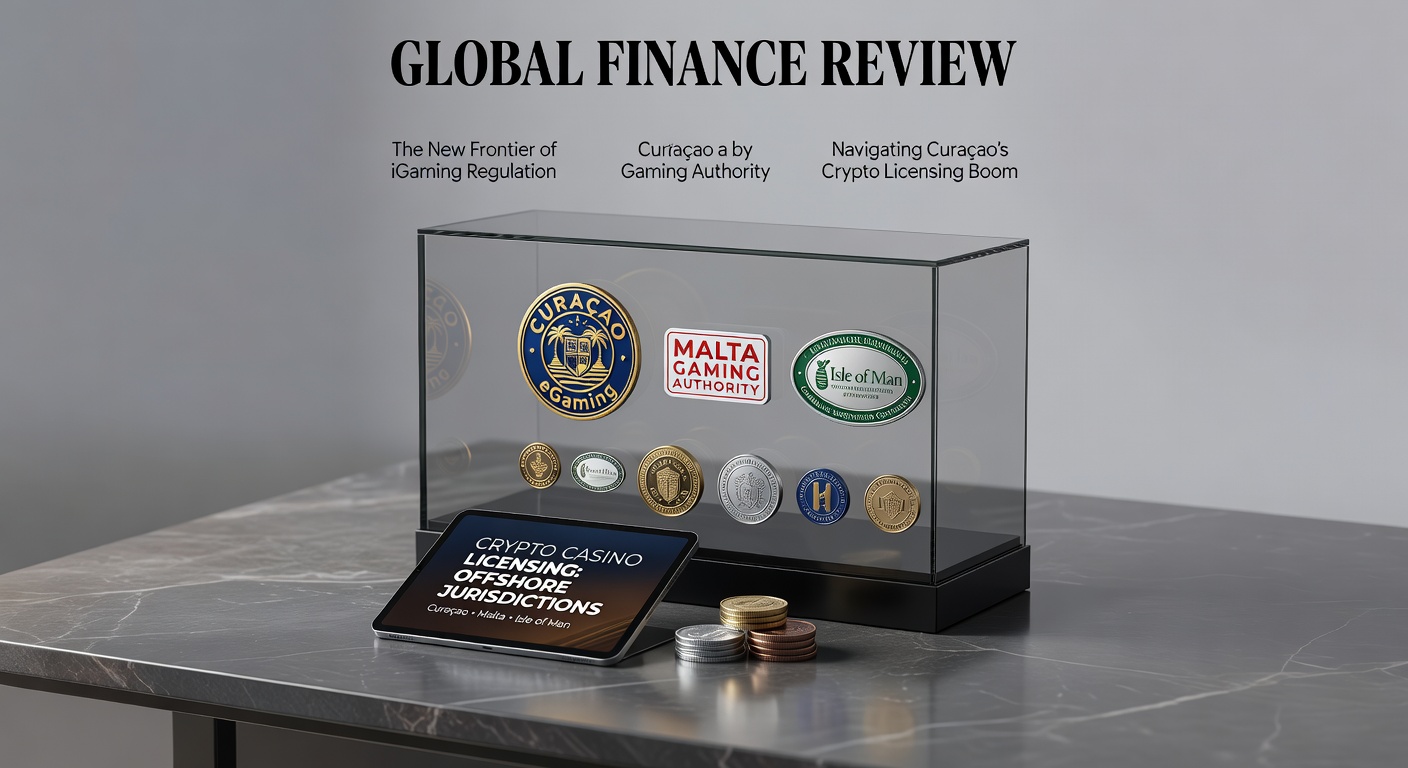
Jump to a section
A Curaçao gaming license costs a few thousand dollars. It requires basic compliance: an email address, a document showing the operator's identity, and proof of payment.
That is roughly it.
The operator is now licensed. They can legally claim they are regulated. They can display a license number. They can operate globally.
But Curaçao does not inspect casinos. It does not conduct audits. It does not enforce responsible gambling programs.
So "Curaçao licensed" means: someone paid money to an authority and received a license. It does not mean the operator is trustworthy.
Anjouan
Anjouan is an island off the coast of Africa. It has an eGaming Commission that issues licenses.
Anjouan licenses are even lighter than Curaçao. They are sometimes used by operators who could not get a Curaçao license.
An Anjouan license is essentially a scam. It provides legal cover but no actual regulation.
Malta (MGA)
Malta licenses real casinos. The MGA (Malta Gaming Authority) inspects operators, enforces standards, and investigates complaints.
A Malta license is worth something. It signals that the operator has been vetted.
But Malta licenses are expensive and time-consuming to obtain.
UK (UKGC)
The UK Gambling Commission licenses sportsbooks and casinos. The standards are strict. Audits are mandatory. Responsible gambling programs are enforced.
A UKGC license is the gold standard for European operators.
But UKGC licenses are very expensive. Most crypto casinos do not have them.
Cryptocurrency Native Licensing
Some crypto casinos claim they are "provably fair" and do not need licensing because the game is verifiable.
This is partially true. Provably fair does certify the game is fair. But it does not address fraud, money laundering, or player protection.
Provably fair is a technical property. Licensing is a regulatory property. They are different.
The Signal
For a crypto casino:
- Curaçao licensed: minimal regulation, probably okay
- Anjouan licensed: avoid
- Malta licensed: good regulation
- UKGC licensed: excellent regulation
- No license: high risk
If a casino does not list a license, or lists an unknown jurisdiction, assume it is unregulated and your money is at risk.
Additional Perspective
The underlying principle here is straightforward: understanding how the mechanics work gives you an edge in decision-making. Whether you are playing for fun or trying to optimize your approach, the details matter. The math is real. The odds are fixed. But your awareness of these facts changes how you engage with the game. Take time to learn the specifics before you commit significant money. Read the terms. Understand the edge. Make informed decisions. That is how you play with eyes open, not hoping for luck but understanding probability.
The practical takeaway is this: know the rules before you play. Know the edge before you commit money. Know your own limits before you sit down. Every decision at the table, every bet you place, every time you choose to play or not to play, is a choice made with incomplete information. The only control you have is over which games you choose and how disciplined you are in managing your bankroll. Master those two things, and you are ahead of ninety percent of the players out there.
Subjects in this guide
Pass it on
Choosing where to play? The casino ratings score each site on 6 checks, in half stars.
See the ratings