
Charles Fey and the Invention of the Modern Slot Machine
Charles Fey built the first practical slot machine in 1895. It was called the Liberty Bell. The machine was simple and it changed everything. Here is how the mechanism worked.
Jump to a section
Charles Fey worked as a mechanic in San Francisco in 1895. He decided to build a machine that would automatically pay out winnings. This was revolutionary. Previous machines had required the establishment to pay manually.
Fey's machine, the Liberty Bell, consisted of three reels. Each reel had five symbols: horseshoe, diamond, spade, heart, and liberty bell. The machine was hand-cranked. The player inserted a coin, pulled the lever, the reels spun, the result was revealed.
If all three reels showed the liberty bell symbol, the machine automatically ejected coins. This is the core innovation: automatic payout.
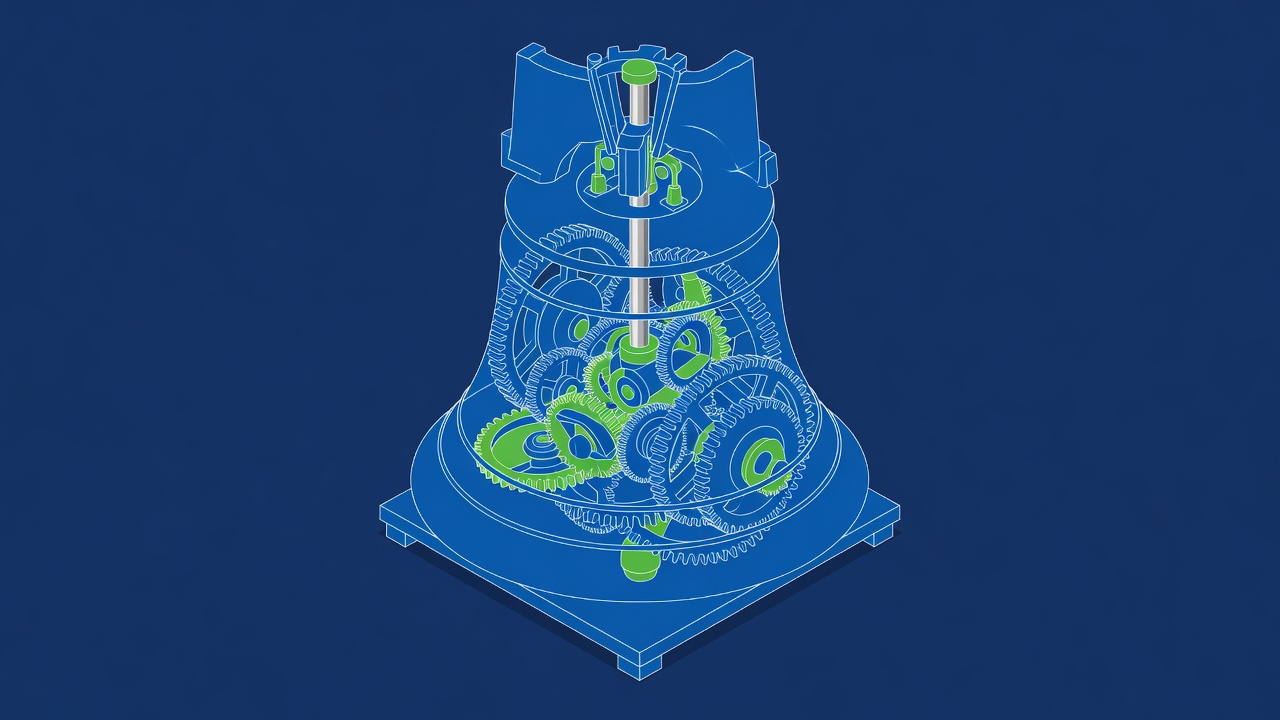
The machine was a mechanical marvel. The reels were connected by gears and springs. Pulling the lever wound a spring. Releasing it caused the reels to spin. As the reels slowed, a mechanism called the "stopper" caught on notches carved into the reels, causing them to stop at specific positions.
The design was clever but simple. No electricity. No computers. Pure mechanics.
The Proliferation
Fey's Liberty Bell was immediately popular. Saloons wanted them. Other mechanics copied the design and created their own versions. Soon there were machines everywhere: Mills machines, Watling machines, Rock-Ola machines.
Each manufacturer added features. Larger reels. More symbols. Additional paylines. Bell Fruit machines added colors. Jackpot machines added progressive jackpots: if no one won the top prize that day, the prize carried over to the next day, growing larger.
The basic mechanism remained unchanged for nearly a century: mechanical reels, physical stops, gravity-based payout. The only variation was in the features and the specific mechanical implementation.
The Regulatory Response
Many jurisdictions banned slot machines almost immediately. Slots were seen as gambling, and gambling was prohibited. San Francisco banned slots in the 1920s. Las Vegas allowed them. This gave Las Vegas a competitive advantage when gambling was legalized in Nevada in 1931.
Because slot machines were mechanically simple and completely visible, regulators could inspect them and verify that they were fair. A casino could not secretly reprogram a mechanical slot. The mechanism was physical. Regularity and transparency were inherent.
This confidence in mechanical fairness meant that slots became the cornerstone of casino gambling. By the 1970s, slots generated more revenue than table games. The mechanical transparency that made regulators confident also made players confident.
The Transition to Electronics
The first electronic slot machine appeared in 1976. It used electronic systems to control the reels instead of pure mechanics. But the reels were still visible. The outcome was still displayed mechanically.
Electronics allowed faster spins. Mechanical limitations on spin speed disappeared. A machine could spin five times per minute mechanically. Electronically, it could spin much faster.
Electronics also allowed more complex payouts. A mechanical machine could handle perhaps eight paylines. Electronic machines could handle thirty, fifty, one hundred paylines.
But the fundamental mechanism remained: spin reels, see result, determine payout. The visibility of the reels remained. Players could see the game happening.
The Digital Revolution
By 2000, video slots had largely replaced mechanical reels. The video display showed reels, but there were no actual spinning reels inside the machine. The outcome was generated by software before the animation played.
This is the critical transition. The game became hidden from the player. The player sees reels spinning, but the outcome is determined before the animation begins. The animation is merely showing the predetermined result.
This freed game designers to be creative. Reels do not have to be physical. Games can have dozens of reels. Paylines can number in the thousands. The animation can show anything.
But it also created the trust problem. When reels were mechanical and visible, the player could see the game working. Now the game is hidden inside software. The player must trust that the software is fair.
Charles Fey would not recognize a modern video slot. But the basic principle remains unchanged: insert money, trigger action, see result, receive payout. The mechanism is just hidden inside software now instead of visible in gears and springs.
The Significance
Charles Fey invented the first gambling machine that could operate automatically without human intervention. This one innovation created the modern casino. Without automatic payout, slot machines would never have become practical. Without practical slots, casinos would have remained exclusively table-game operations.
Fey's innovation was not mathematical or strategic. It was mechanical. It was the simple idea that a machine could determine winners and losers and pay them automatically.
That innovation shaped the entire gambling industry. Nearly every casino in the world has slot machines based on the principle Fey established in 1895. The mechanism has evolved from mechanical to electronic to digital. But the basic principle remains.
Pass it on
Choosing where to play? The casino ratings score each site on 6 checks, in half stars.
See the ratings