
Archie Karas and the Greatest Gambling Run in History
Archie Karas came to Las Vegas with $50 in his pocket in 1992. Two years later, he had won $40 million. The story of how is more interesting than the numbers.
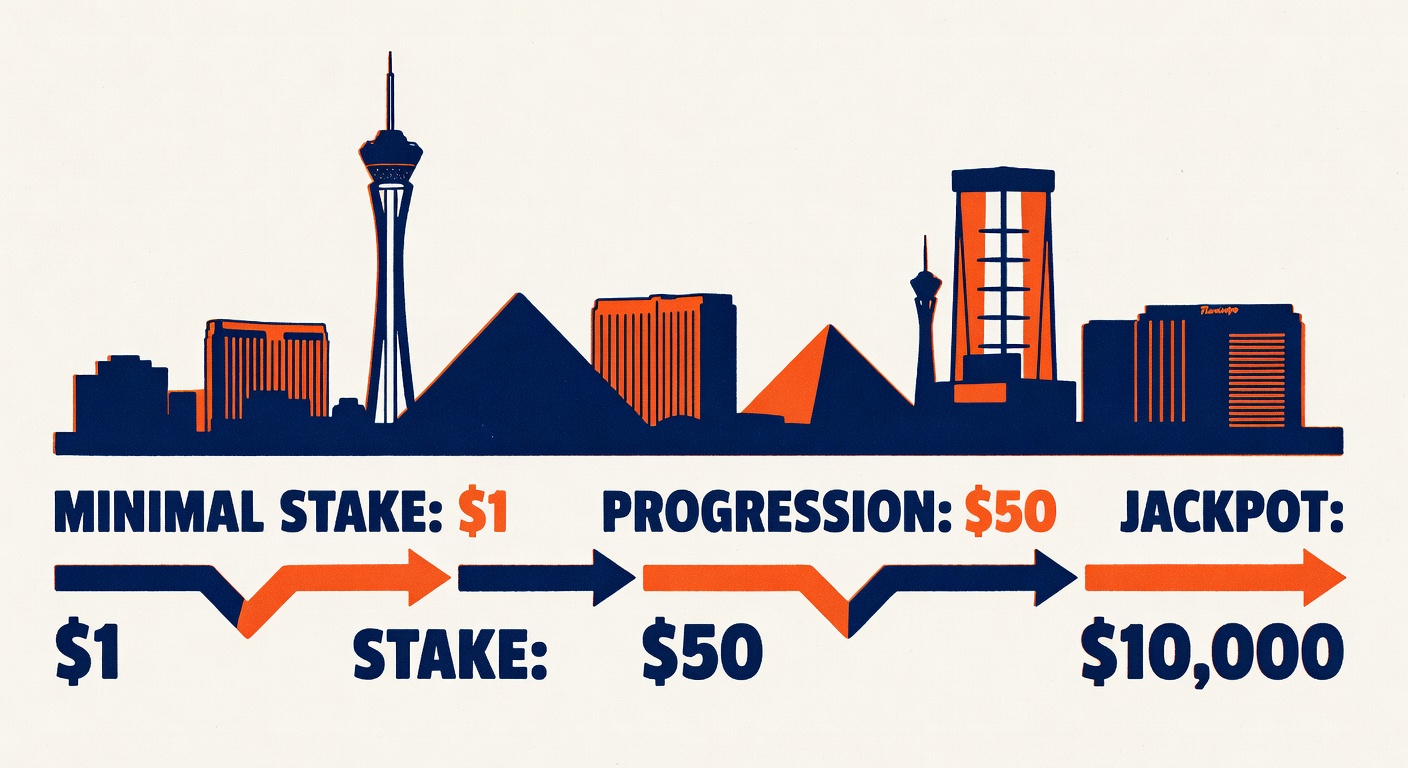
Archie Karas arrived in Las Vegas on a Tuesday in November 1992 with fifty dollars in his pocket and a problem. He was a professional gambler from Los Angeles, but his operation had collapsed. A partner had disappeared with the bankroll. At forty-two years old, Karas was broke, desperate, and out of options. What happened next is the longest documented winning streak in gambling history.
He started small. With his fifty dollars, he played low-stakes poker games in downtown casinos. He won, re-bought, and won again. Within his first week, he had parlayed his fifty dollars into ten thousand. The story was not about luck in the moment-to-moment sense. It was about pattern recognition, discipline, and an absolute refusal to play scared.
The early weeks were critical. Karas was hunting for games where he had an edge. He moved between casinos, studying the player composition. The poker games in older casinos like the Golden Nugget and the Eldorado had different skill levels than the newer Strip properties. He found weak games and exploited them with precision. When he turned his initial stake into fifty thousand dollars, people began to notice.
But poker was only the beginning. By early 1993, Karas had moved into sports betting and casino table games. He would play blackjack, craps, and baccarat with enormous bets, seemingly guided by an uncanny sense of rhythm and odds. He developed relationships with dealers and managers. People wanted to watch him play because he played differently. He placed bets that looked reckless but had mathematical logic underneath.
The run continued for months. By the summer of 1993, Karas had parlayed his fifty dollars into five million. Casinos were offering him comps beyond anything they offered anyone. He lived in the best hotels. He ate at the best restaurants. He was the star of the Las Vegas moment because he was winning against the house at a scale nobody had seen before.
What separated Karas from other winning streaks was consistency and diversification. He did not just play poker. He moved between games, finding edges wherever they existed. He played some baccarat games that seemed like pure chance, but he would play against weak players and take advantage of their mistakes. He would identify dealer tells and exploit them. He would count shoes in blackjack when the opportunity presented itself. He was operating at the intersection of skill and observation and capital.
The Psychology of an Endless Run
The strangest aspect of Karas's run was not that he was winning but that he seemed incapable of stopping. By late 1993, he was playing at stakes that were genuinely high-rolling territory. A single hand of baccarat might involve tens of thousands of dollars. Most winning streaks end when the player takes the money and leaves. Karas accumulated forty million dollars and continued playing.
Friends advised him to walk away. Casino management advised him to walk away because they were concerned about their liability. But Karas kept playing. The explanation he gave was philosophical. He said he loved the action. He said he had beaten the casino, and now he wanted to understand the limits of that advantage. He wanted to see how far it could go.
This is where the story shifts. The run that had defined Las Vegas for two years began to weaken in 1995. Karas started losing. The losses were not dramatic at first. A week of losses, followed by recovery. But then the losses began to compound. The players he had beaten had studied him. The games had tightened. The dealers were on alert. The edge that had been so obvious had shrunk into nothing.
By 1995, Karas had given back almost everything. His final documented loss closed at approximately ten million dollars from his peak. He left Las Vegas not triumphant but humbled. The man who had turned fifty dollars into forty million had handed back thirty million to the casino. The mathematics of the streak had reversed. What had been a run of consistent advantage had become a run of consistent disadvantage.
The lesson is not about luck. Karas was skilled, disciplined, and lucky in sequence. But skill and discipline eventually meet variance. The luck that had been his tailwind became a headwind. The edge he had found was real but not permanent. The casinos adapted. The games tightened. The advantage disappeared.
Pass it on
Choosing where to play? The casino ratings score each site on 6 checks, in half stars.
See the ratings