
Annie Duke: From Poker Champion to Decision Science
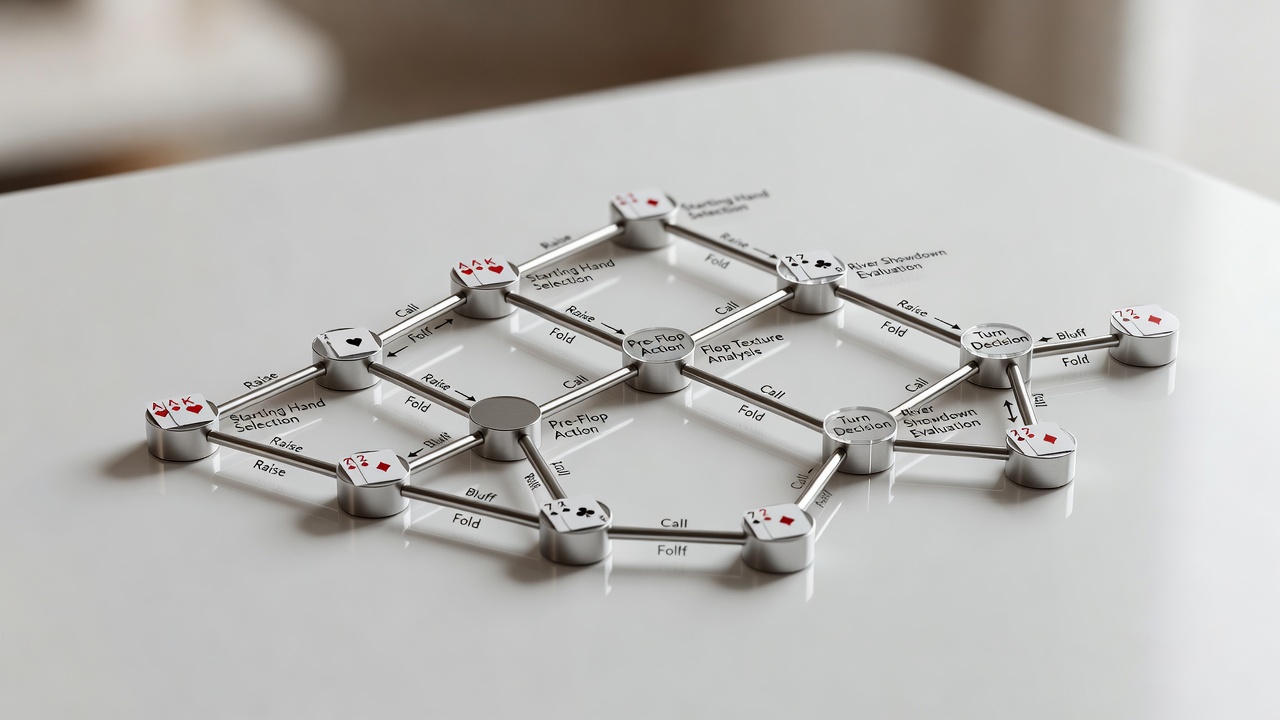
Back in the 90s, if you'd told me a poker player would end up teaching corporate types how to make better decisions, I'd have laughed into my pint. But that's exactly what happened with Annie Duke. Right odd story, really.
Duke wasn't your garden-variety player. She came up through the ranks proper, won a World Series bracelet in 2004 in mixed games, played high-stakes poker in Vegas and Atlantic City for years. The kind of results you can't fake. She had brothers in the game too, which tells you something about the bloodline for this stuff. But here's the thing about her that separates her from your typical pro: she actually thought about why she won.
Most players, they get lucky a few times and suddenly they're convinced they're geniuses. Duke was different. She started analyzing her own decisions long before it became fashionable to talk about decision trees and expected value in the way Silicon Valley types do now.
How a Card Game Became a Masterclass
When Duke stepped away from serious grinding, she didn't just bugger off to retirement. She started writing. Thinking in Bets came out in 2018, and that's where the real pivot happened. The book takes poker's central insight: you make decisions under uncertainty every single day. It applies this to business, medicine, relationships, everything.
Here's what separates Duke's approach from the usual motivational blather: she doesn't pretend certainty exists. In poker, you're making decisions with incomplete information all night long. You have to assign probabilities to things you can't possibly know for sure. A business person making a hiring decision? Same problem. A doctor deciding on a treatment? Same again. Duke just points that out and shows you how to think like a poker pro when you're sitting in the boardroom.
The corporate world ate it up. Speaking gigs followed. Companies started bringing her in to teach their people how to actually think about risk instead of just talking about disruption and synergy. I'll give them credit: at least she was teaching something with a backbone to it.
The Long Game
What I respect about Duke is that she didn't try to pretend poker itself was some noble pursuit. She played because she was good at it and the money was real. When the landscape changed (and it absolutely did after 2006 when the UIGEA passed and online poker got nuked in the States), she had the sense to recognize that the game had shifted. A lot of old hands got bitter about it. Duke just pivoted.
She started working with sports teams, consulting for companies, teaching at universities. The through-line wasn't poker itself; it was decision-making under uncertainty. That's the professional skill she'd actually developed, and that's what she could teach.
The thing about decisions is they're only as good as your thinking process, not your outcome. Lose on a hand where you played perfectly? Odds were against you that time, mate. Win on a hand where you got lucky? Don't let that fool you into thinking you've got something figured out. Duke hammers this home because it's the only way to improve. You have to separate the decision from the result.
That's not novel in poker circles. But it is novel in corporate America, where everyone wants to believe the guy who made the most money this quarter must have made the smartest decisions. Duke's contribution was translating that poker insight into language that quarterly-earnings types could actually hear.
Where She Stands Now
These days you'll see Duke on podcasts, in books, quoted in articles about decision-making. She's become something of an intellectual property in the decision-science space. Not because she invented decision theory (she didn't), but because she lived it. She's not some academic who studied it from a distance; she was a professional decision-maker at the highest stakes, and then she had the discipline to reflect on what she actually knew.
For a working-class betting man like me, there's something honest about that trajectory. She didn't romanticize the cards or the players. She just took the central skill and moved it where it could actually be useful. That's the mark of a sharp mind: knowing when your game's changed and being able to translate your edge into a different arena.
Odds-on favorite, if you ask me, that her name lasts longer for the decision stuff than it would have just as another poker tournament winner. The game's full of those. But people who actually think? Those are rarer.
Subjects in this guide
Pass it on
Choosing where to play? The casino ratings score each site on 6 checks, in half stars.
See the ratings